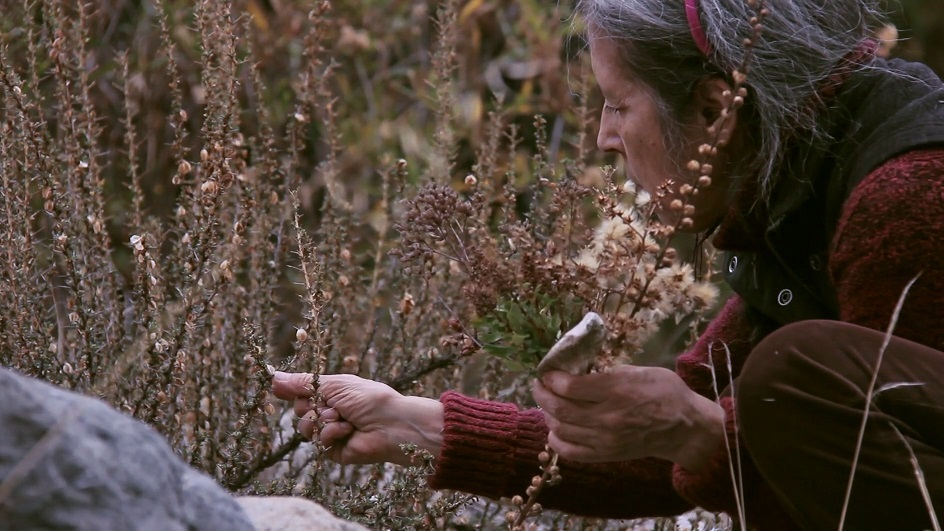

The diversity of our cultivated and wild plants is shrinking dramatically: of the millions of existing seed varieties, only a few hundred are still grown commercially today. This erosion of biological diversity has far-reaching consequences—for food security, for resilient ecosystems, and for a sustainable agricultural future.
At the same time, control over seeds is increasingly concentrated in the hands of a few corporations. New forms of intellectual property, biotechnological interventions, and standardized crop varieties are leading to growing dependency, while traditional knowledge and local farming practices are being pushed aside. Seed banks are intended to preserve the genetic diversity of cultivated and wild plants. But who decides which varieties are preserved, and who has access to them? How is our relationship with seeds changing through new technologies, legal regulations, and market forces? And how can seeds be protected and politically defended as a collective good in times of global crisis?
As part of the exhibition Seeds. Reclaiming Roots, Sowing Futures, experts from the fields of art, science, and agriculture discuss the political and ecological relevance of seeds—and explore ways to preserve them as a common good and to secure biodiversity for the future.
Panel participants
Moderation: Michael Huber
In cooperation with Kurier
In German
Free admission