Everything begins on one island and ends on another. In between lies the sea: a border and a passage, separation and hope. Renata Poljak’s solo exhibition More, curated by Başak Şenova, brings together a body of work in which the sea becomes a link between islands, personal and collective histories, migration and displacement, ecological crisis, and hopes for the future. Starting from water as an element connecting social and political systems, people and their environments, the exhibition addresses the climate crisis, resource scarcity, migration, and environmental justice.
Renata Poljak
More
12.11.2026–14.03.2027
/
Impressions
/
Renata Poljak
More
Everything begins on one island and ends on another. First, the dry land falls away into the sea, and the sea then opens towards the horizon, where hope awaits on another island. Between them lies the sea, a space of separation and passage, carrying those who leave towards those who wait.
The solo exhibition More by Renata Poljak marks the launch of the cycle Aqua – Water in Motion – curated by new Chief Curator Basak Senova – at the KunstHausWien Project Room Garage. The cycle approaches ecological questions with both urgency and appreciation. Through exhibitions, screenings, residencies, and a public programme, Aqua addresses contemporary social, ecological, and cultural issues. In this context, water is viewed not only as the foundation of life, but also as a medium that reveals the interconnections between social and political systems, people, and their environment. Water also foregrounds the links between the climate crisis, resource scarcity, migration, urban development, and environmental justice.
More brings together a body of work in which the sea connects islands, lives, ecological disasters, and hopes for the future. In it, Poljak links her personal history of departure with broader histories of migration and displacement.
The exhibition is anchored by the neon sculpture more, more, more. The title is a wordplay on the Croatian more (sea) and more (burden), as well as the English more. The repetition in its title evokes the sea as both a space of departure and a desire for something beyond: more, elsewhere, a better life. Poljak’s great-grandfather left the Croatian island of Brač for Chile in search of work, driven by drought and the barrenness and deprivation it engendered. Her great-grandmother remained on the island, waiting for a husband who, like many men who left, never returned.
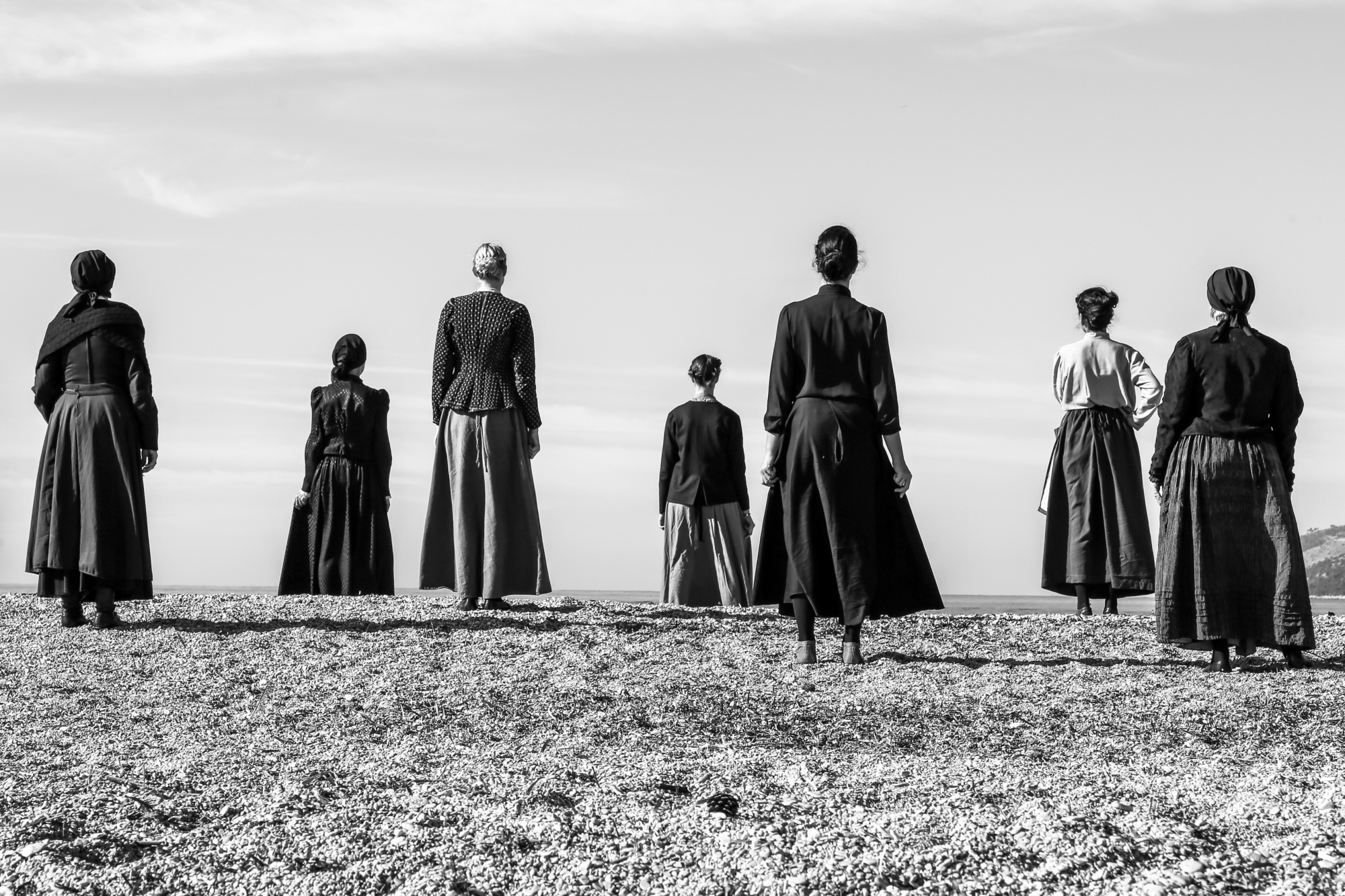
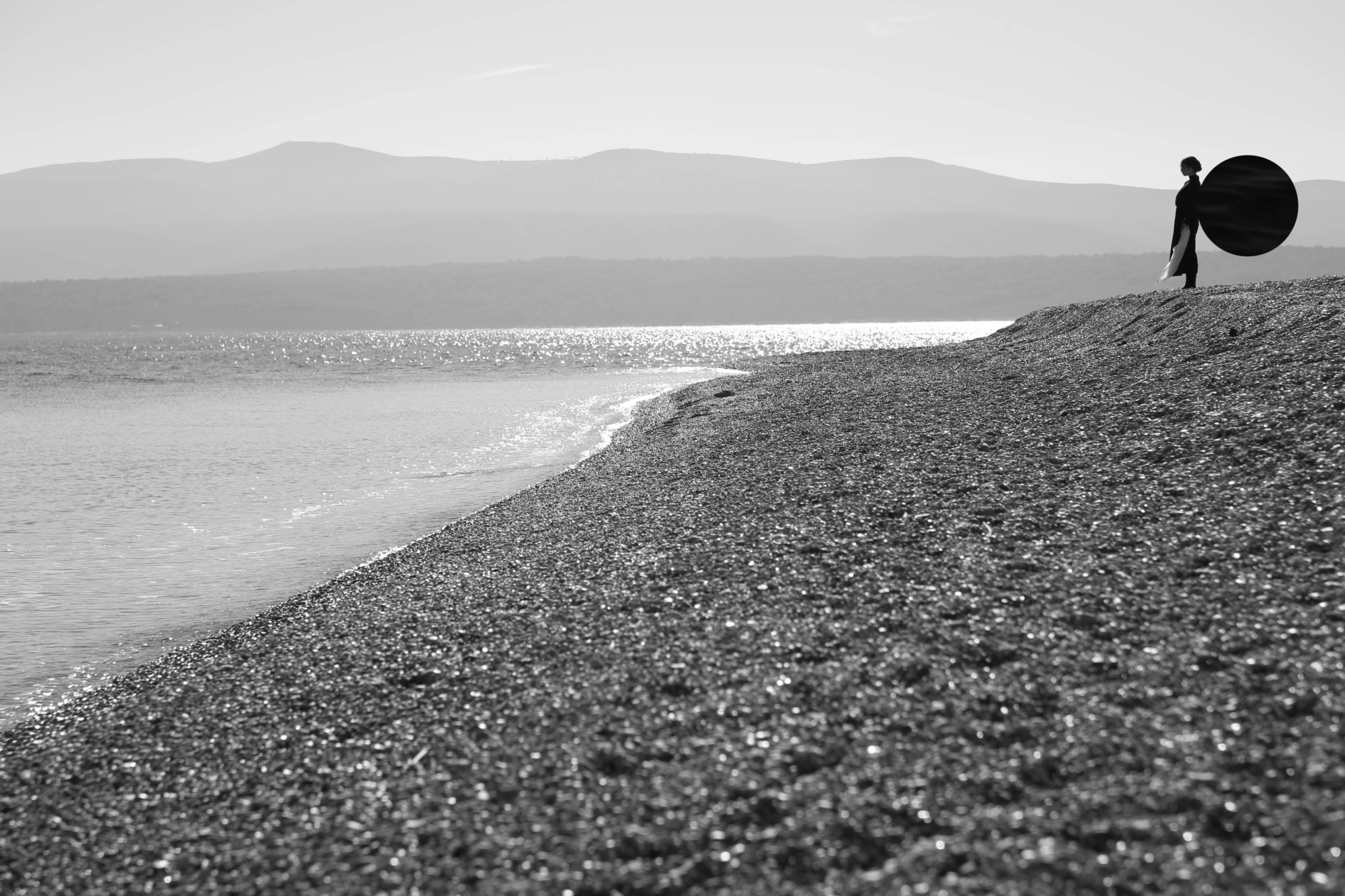
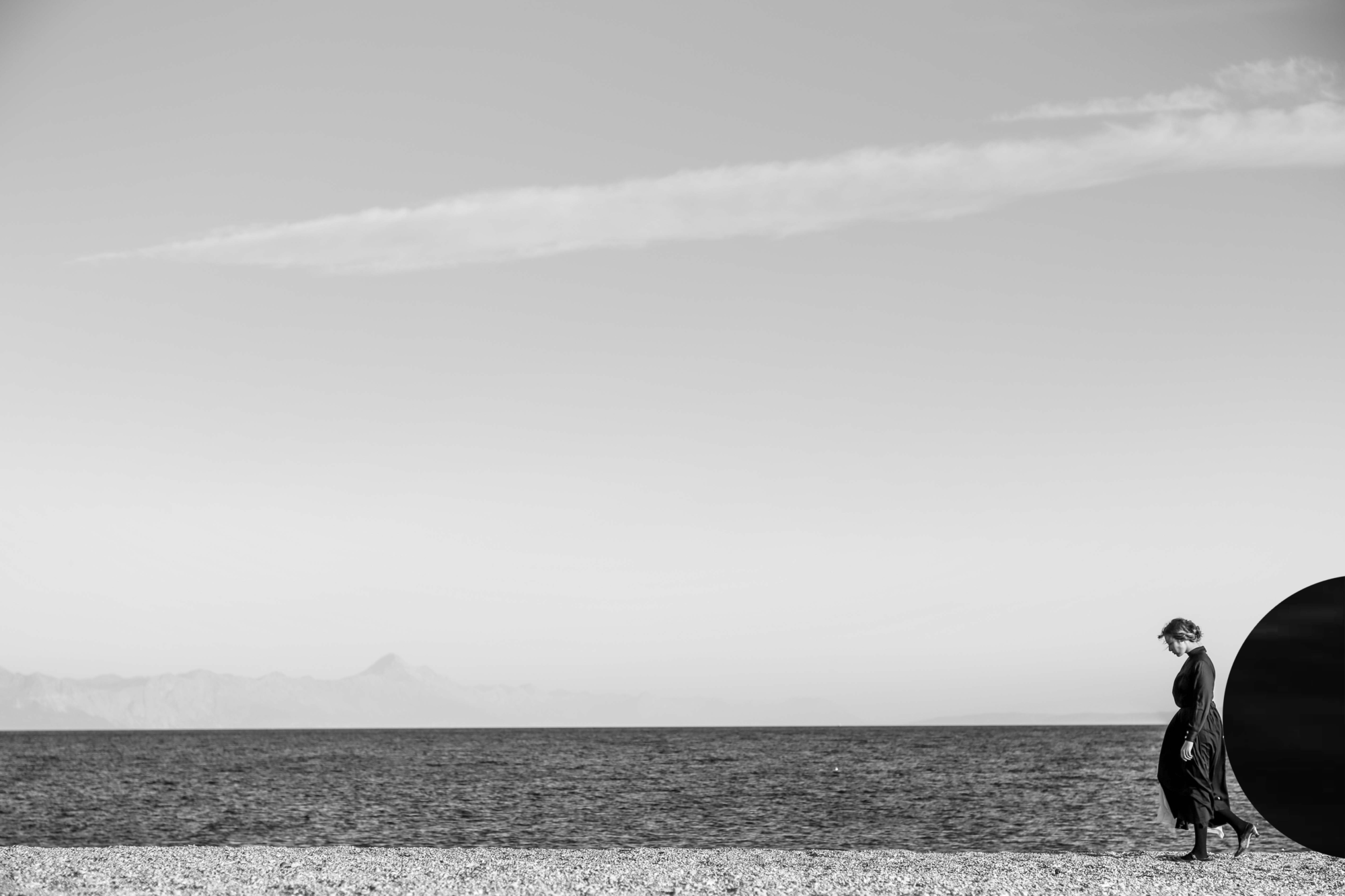
This tension between departure and waiting, loss and hope, runs through Poljak’s films. The film Partenza (2016), meaning “departure” in Italian and also used in Croatian island and coastal dialects, relates the early-twentieth-century migration of Croatian islanders to contemporary journeys by sea of migrants and refugees.
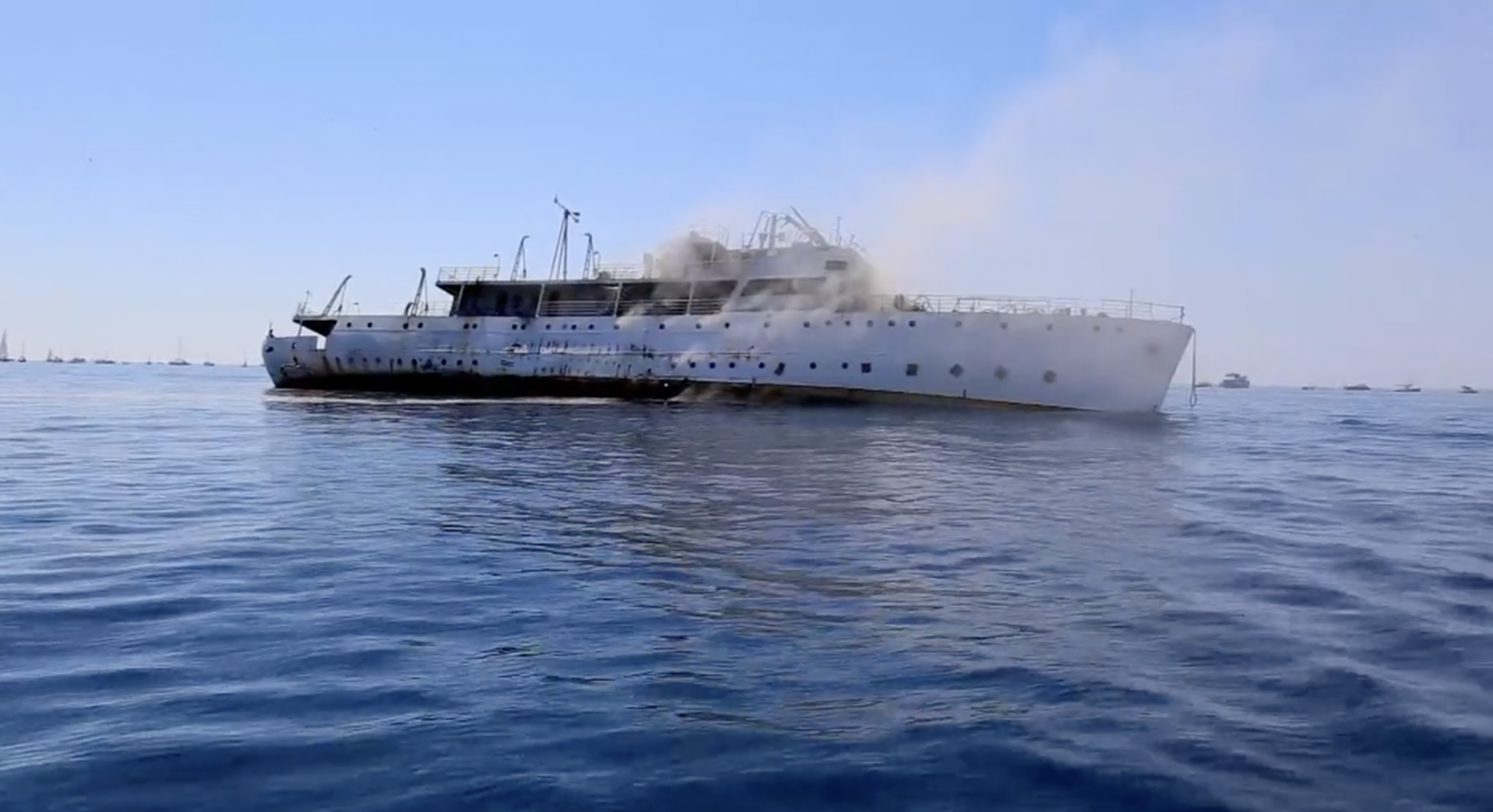
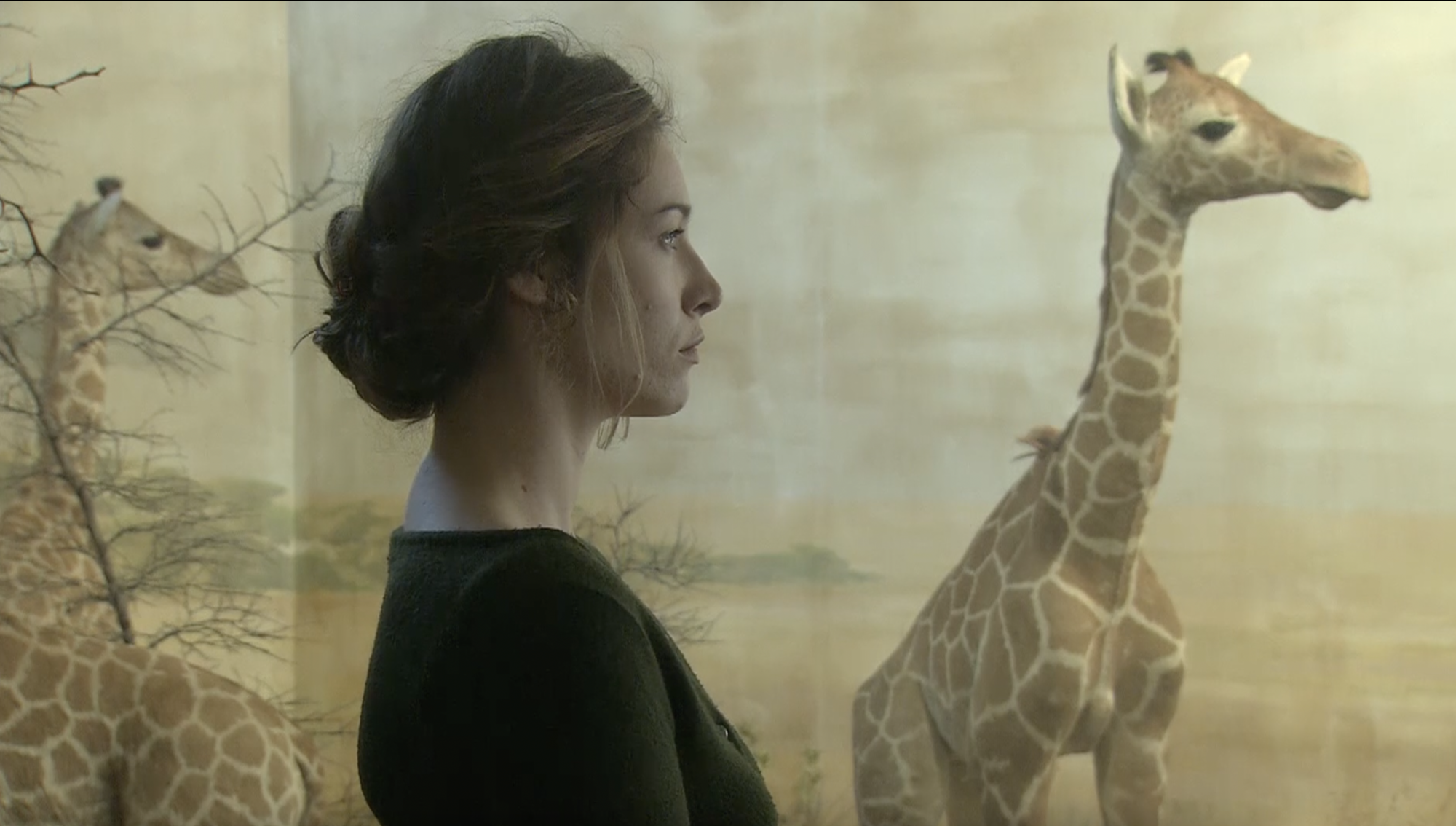
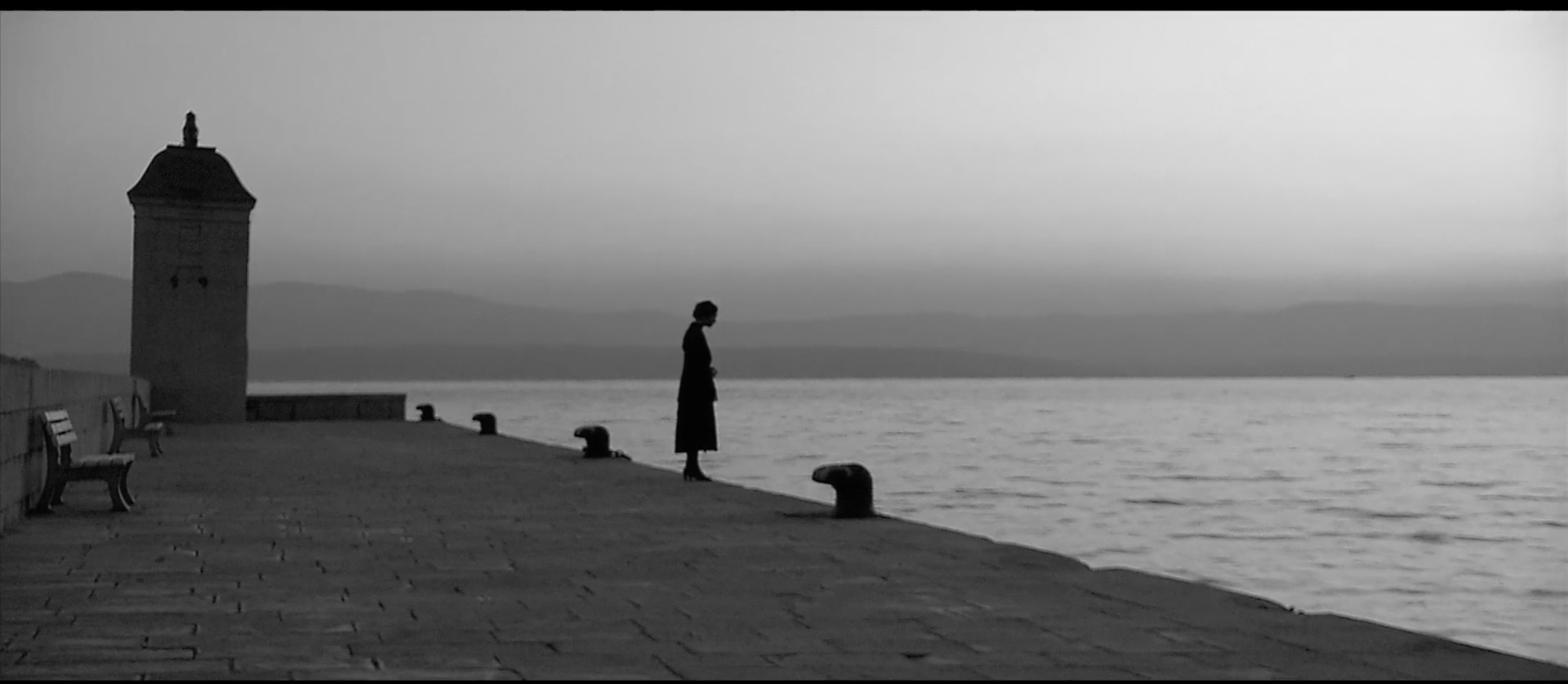
In Yet Another Departure (2018), personal memory meets political history. The former Yugoslav Army command ship Vis, deliberately scuttled in 2016 to become a tourist diving attraction, lies beneath the water. Nearby, the Brijuni Islands archipelago recalls the 1956 meeting that laid the foundations for the Non-Aligned Movement. Against this backdrop, a woman who has waited a century for her husband continues to gaze towards the sea, having lived through five different regimes without moving far from her birthplace.
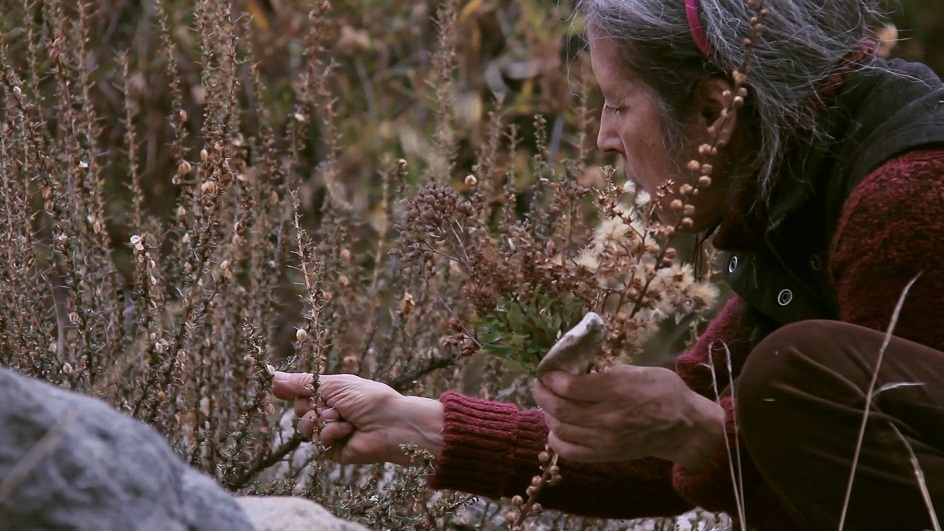
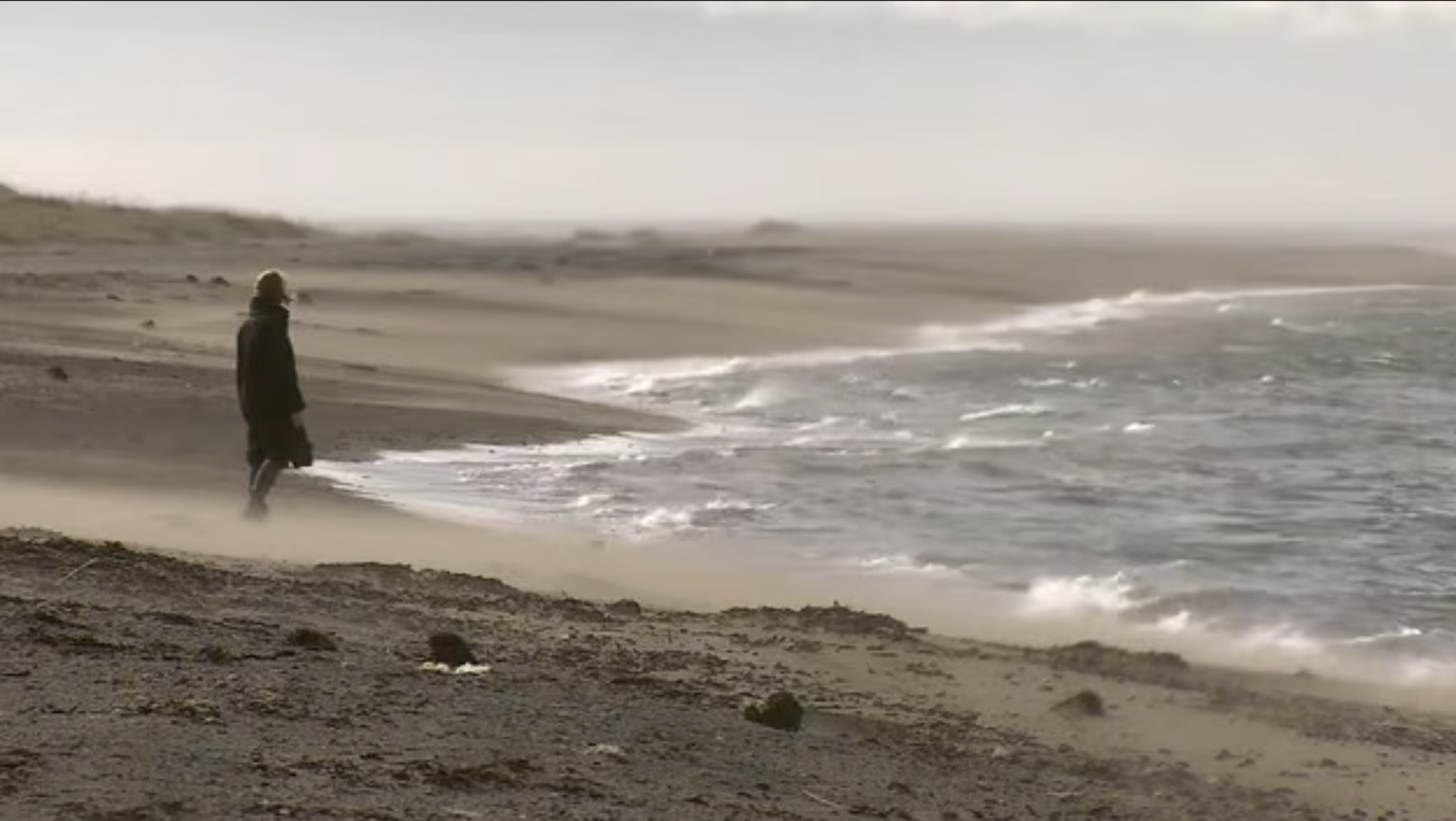
The film Porvenir (2020) takes the journey to Tierra del Fuego. Porvenir, meaning “future” in Spanish, is the Chilean settlement founded by Croatian immigrants in the early twentieth century. Dreaming of better lands, generations voyaged across seas because of poverty, hunger, and war.
Finally, four photographic collages from the Partenza series (2016–26) re-enact its story in a sheltered corner of the exhibition, extending this body of work across histories, geographies, and generations.
On 1 March 2027, the exhibition will be accompanied by a conversation between Renata Poljak, curator Başak Şenova, and Branko Franceschi, Director of the National Museum of Modern Art in Zagreb and a long-standing collaborator of both Poljak and Şenova.
Artist Biography
Renata Poljak is a Croatian visual artist and filmmaker whose practice moves between film, video, photography, installation, drawing, and neon. Her work often combines documentary material with staged or fictional elements, and focuses on migration, memory, displacement, and political and economic change, as well as on the social consequences of the wars and transformations in the former Yugoslavia. Poljak studied at the Arts Academy in Split, continued her postgraduate studies at the École Régionale des Beaux-Arts in Nantes, and subsequently completed a degree in sculpture at the Academy of Fine Arts in Zagreb. She has also done important international residencies, including at the San Francisco Art Institute, MuseumsQuartier Vienna, Art in General in New York City, Cité Internationale des arts in Paris, and Skowhegan School of Painting & Sculpture in Maine. She lives and works in Zagreb.
Curator
The exhibition and public programme are curated by Basak Senova.